Canadian residents pay in Canadian funds at the preferred exchange rate of 1.38
Outstanding summer programs for teens since 1982

Fiji & Australia Volunteer Program for Teens
This is the perfect program for teens who want to experience an authentic, hands-on, and unique volunteer program across two of the South Pacific’s most dynamic destinations. You will travel to the islands of Fiji to enjoy island paradise and rural living while contributing to diverse projects. From marine conservation to sustainable development and village after-school programs, alongside exciting adventures like ziplining, snorkeling with manta rays, dune hiking, and Indo-Fijian cooking. The journey then continues to Australia for an impactful blend of wildlife conservation and Indigenous cultural exchanges, capped off with unforgettable experiences like visiting the Australia Zoo, snorkeling Moreton Island, and surfing at the world-famous Bondi Beach.
Please note that a limited number of participants depart on day 15 while the 25-day participants continue on to Australia.
Program Highlights
Zip-line through the canopies of Fiji's forests.
Experience Fijian culture with a traditional sevusevu ceremony.
Facilitate a Kid’s Club for local children of an after school program.
Work with builders in Bavu Village to help provide homes with access to clean water.
Learn how to prepare Fijian dishes and distribute them to a local women's shelter.
Contribute to sustainable development projects alongside marine biologists.
Snorkel among manta rays in the vibrant waters of the Yasawa Islands.
Support a reforestation project & create crafts with the women of Nabila Village.
Experience Aboriginal culture through hands-on activities, stories and traditions.
Shoot hoops alongside the Special Olympics Basketball Team.
Discover and connect with Australia's unique wildlife at the world-famous Australia Zoo.
Surf the waves at Bondi Beach.

Service Projects
Momi Bay, Lomawai Region
We collaborate and partner with local villages near our mainland base lodge to support a number of different projects.
Infrastructure: The group will participate in an ongoing project to develop the availability of water to improve sanitary conditions in the area. Alongside skilled workers and tradespeople this could include excavation, block laying, painting and carpentry tasks.
Cultural education and income generation: We will visit local women who do craft making to generate their income and we will participate in workshops to learn about the practice and make crafts to be sold by the village.
Youth Leadership: The group will have the opportunity to design and lead an afternoon Kids' Club for a local after-school program.
Food Security/Ecosystems: Adjacent to our local basecamp, you’ll find a thriving pineapple farm. Join us in supporting the community by getting hands-on—help with weeding, watering, planting, and harvesting. Work alongside local farmers to gain insights into the vital role this fruit plays in the local economy and contribute to sustainable practices that enhance food security. Help rangers with reforestation by planting native species of trees at the Sigatoka Sand Dunes to strengthen the climate resilience of its ecosystem.

Somosomo Village, Naviti Island
Experience authentic island life in the heart of Somosomo Village. Participate in a traditional welcome ceremony, explore the village, and lend a hand on the community farm by planting and harvesting crops that help sustain local families.

Barefoot Manta Island
Work alongside a marine biologist to help with ongoing environmental sustainability projects. This could include Mangrove planting, coral reef surveys, invasive species removal, beach cleanups, coral planting, fish id/counts, and marine enrichment.

Glass House Mountains, Australia
Indigenous Culture & Land Management: Engage with the local Gubbi Gubbi Traditional Owners through storytelling, cultural activities, and learning about the history and significance of the land. Participants will also explore conservation and land management practices, including a forest walk focused on native plants and their traditional uses.
Youth Leadership: The group will participate in a Special Olympics basketball session alongside local athletes, using sport to build connections and promote inclusion, teamwork, and cross-cultural understanding. Additional service opportunities may include preparing meals for people experiencing homelessness, engaging with residents at a retirement village, supporting elementary school and special-needs programs, and assisting with coastal revegetation projects.

Brisbane, Australia
We partner with a wildlife conservation organization to help participants connect with Australia’s unique wildlife, learn about conservation, and become thoughtful stewards of the environment.
Wildlife Rehabilitation: Volunteer at a grassroots wildlife rehabilitation center supporting the care and rehabilitation of native Australian animals. Service activities may include maintaining animal enclosures, bottle-feeding joeys, preparing eucalyptus leaves for koalas, and assisting with other needs around the sanctuary. Participants will learn about the challenges facing native wildlife and the importance of creating safe, healthy environments for animals to thrive.

Activities
Momi Bay, Fiji
Welcome to Fiji! Put on your Sulu - a traditional Fijian garment - before joining a sevusevu ceremony and beginning to learn the intricacies of cultural practices in Fiji. Head to Sigatoka Sand-dunes National Park for a hike through coastal dunes, local forests, and stunning beach vistas. Ride the largest zip line in Fiji, where you’ll take in the stunning aerial views as you race through the forest canopy.

Barefoot Manta Island, Fiji
Board a high-speed catamaran ferry and sail to the breathtaking Yasawa Islands. It’s time for some island-living as you snorkel with manta rays, swim in the crystal-clear waters, relax on the white sand beaches, and experience the breathtaking landscape of the Yasawa Islands.

Nadi, Fiji
We’ll spend our final days together in Nadi reflecting on an incredible two weeks of service, relaxing in mud baths, and going on an epic snorkel tour of the Yasawa Islands. Finally, you’ll have a chance to grab some souvenirs at a local market. We’re saying farewell to Fiji, but we’ll be finishing off our unforgettable summer with 10 days in Australia!

Glass House Mountains, Australia
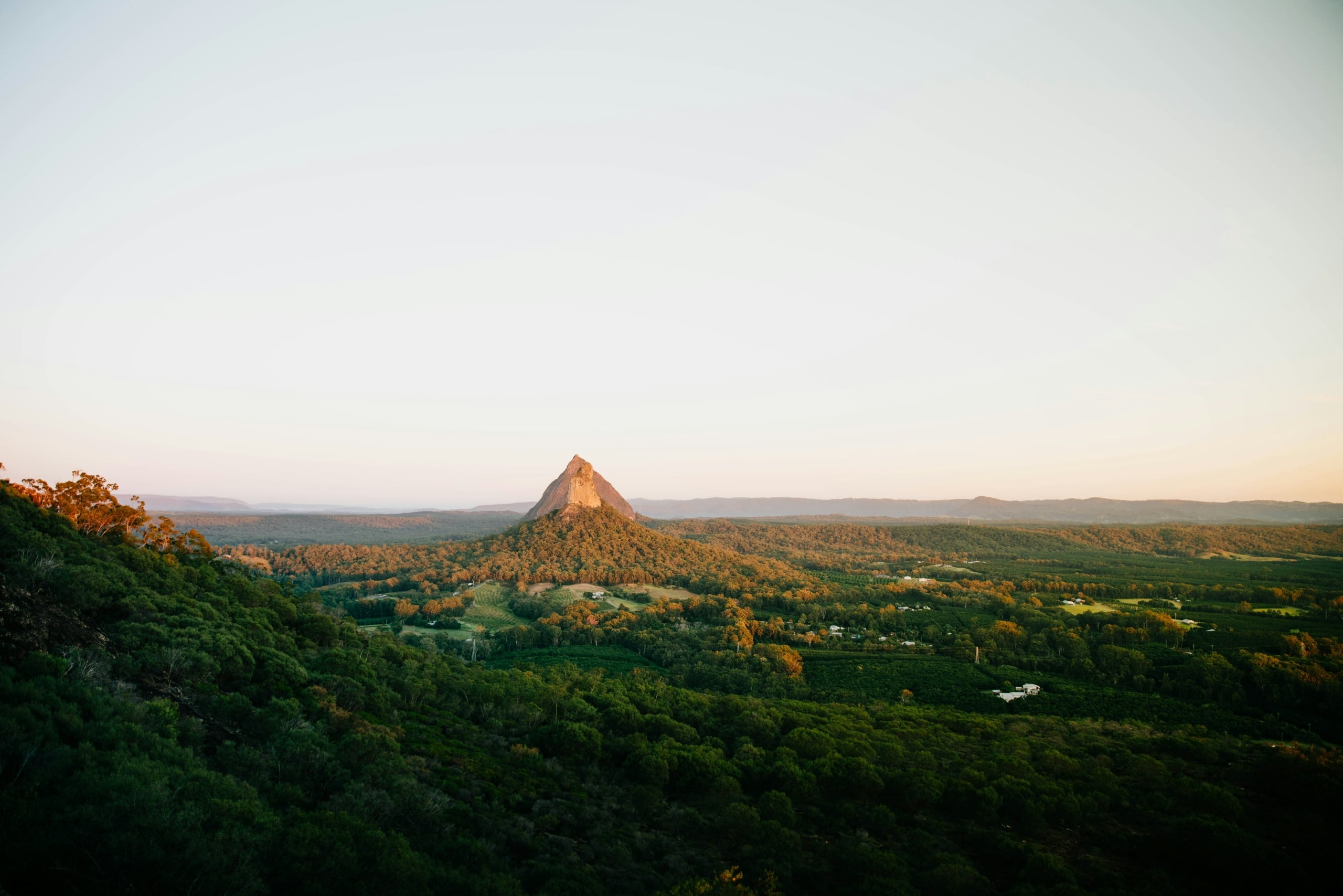
Enjoy the best of Queensland with a scenic hike through the Glass House Mountains, a relaxing campfire evening under the stars, and time to unwind with beach games and a BBQ along the Mooloolaba shore.
Brisbane, Australia
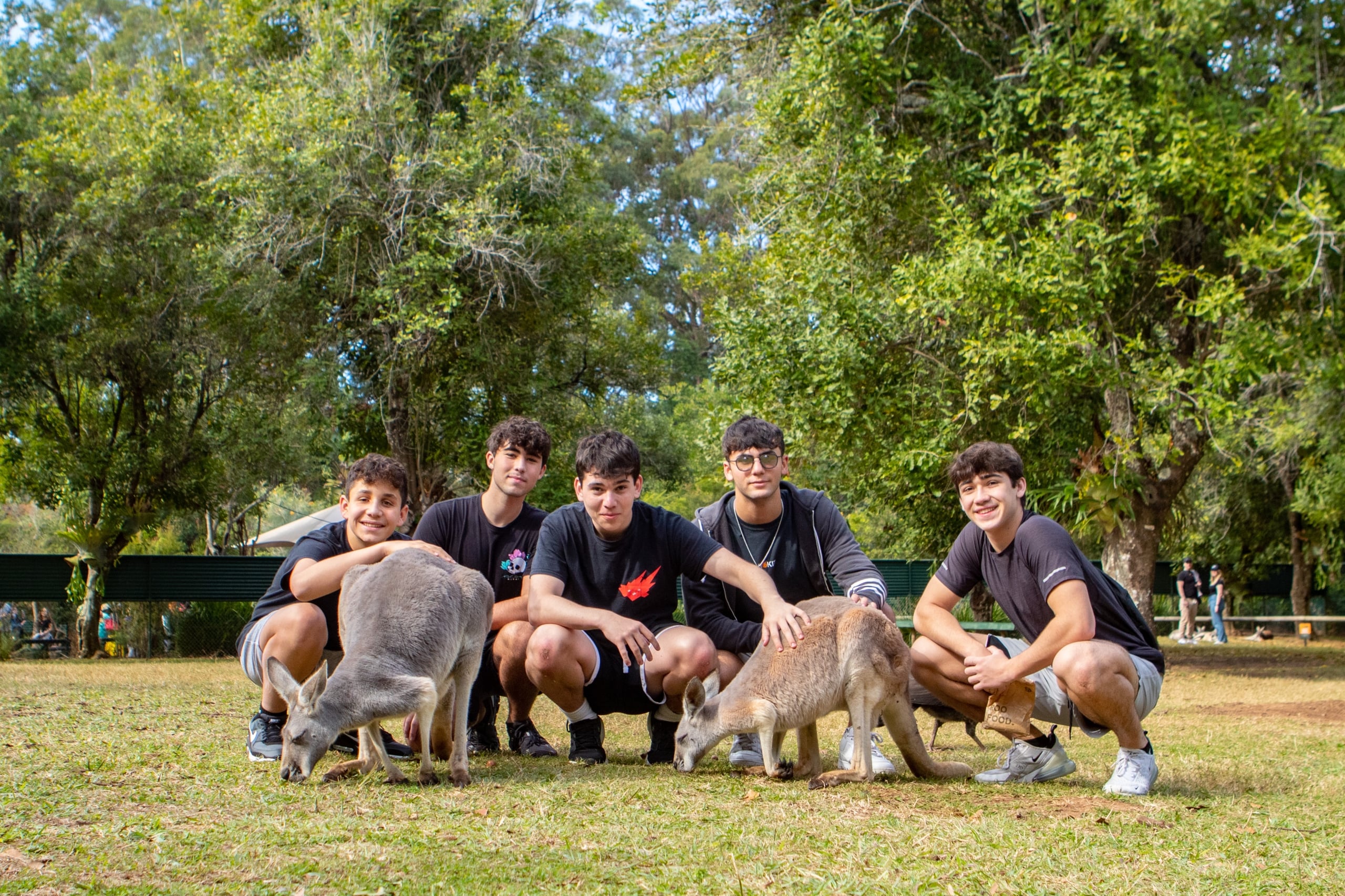
Kangaroos? Check. Koalas? Check. No trip to Australia is complete without meeting its most iconic wildlife. Spend the day at the world-renowned Australia Zoo, founded by the late Steve Irwin, where you can observe koalas, kangaroos, crocodiles, and countless other species. Along the way, you’ll learn about the zoo’s important conservation efforts and how they work to protect Australia’s unique wildlife. You’ll also get to discover the laid-back charm of Queensland’s capital as you wander the lively South Bank, check out local shops and cafes, and take in the riverfront views. With its perfect balance of wildlife adventure and city culture, Brisbane offers a snapshot of Australia’s wild heart and urban energy.
Sydney, Australia
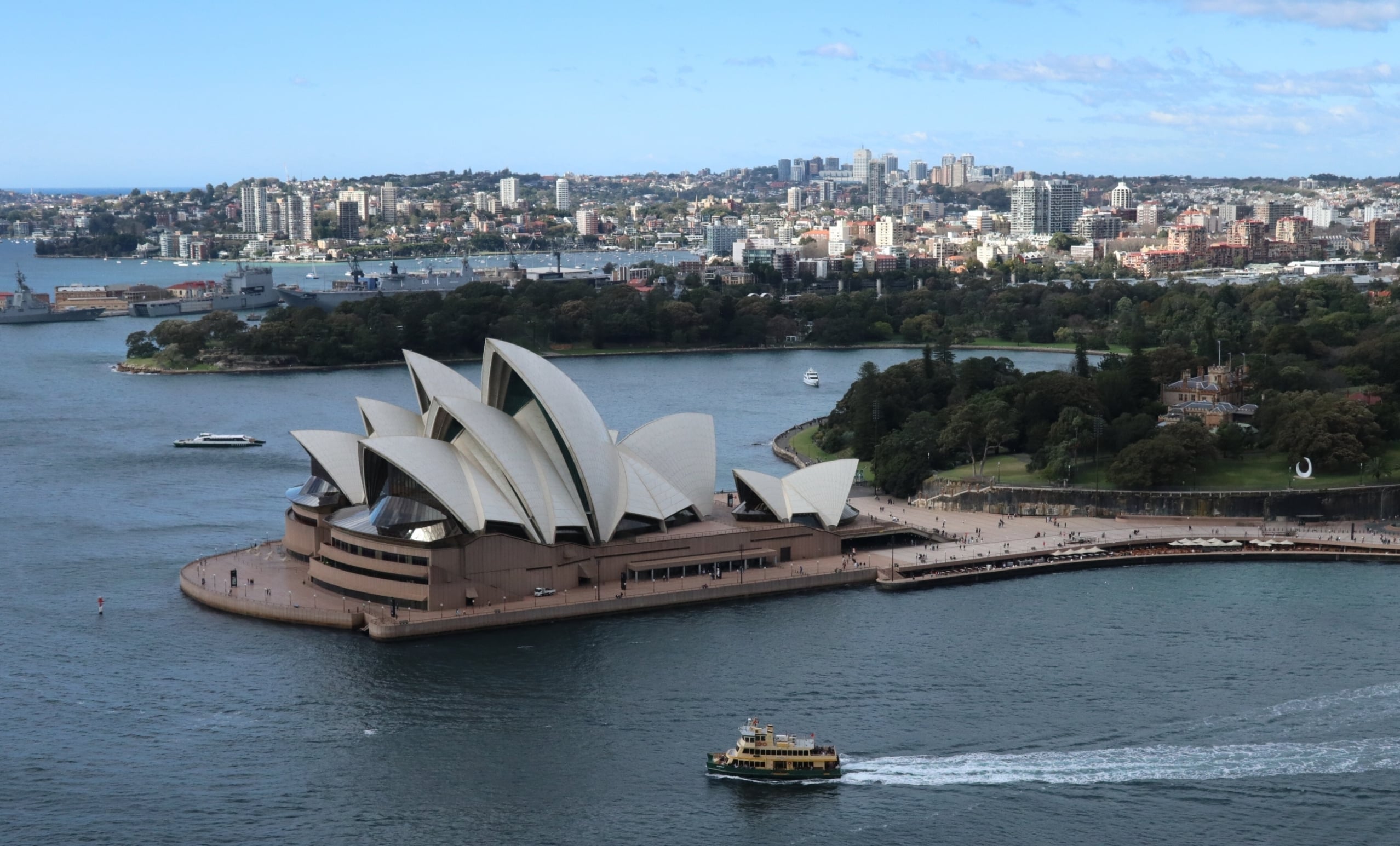
Experience the best of Sydney, from catching waves with a surf lesson at Bondi Beach to exploring the shops along Pitt Street. Discover the stunning coastline on a section of the famous Coogee to Bondi Coastal Walk, take in the city skyline from Sydney Tower Eye, and cruise across the harbour by ferry for a close-up look at the iconic Opera House and Harbour Bridge. Make the most of your Sydney adventure and create lasting memories before heading home!
Accommodations
Momi Bay, Fiji
At the Momi Bay Eco-Lodge, our groups stay in authentic Fijian cabins which feature simple rooms and modern shared bathrooms. Throughout this quaint property, there are extensive gardens, sports fields, a games room, and a swimming pool.

Barefoot Manta Island, Fiji
Barefoot Manta Island Resort is located on what can only be described as the perfect Fijian Island. Experience the ultimate glamping, staying in permanent tents with bunk beds and shared facilities, steps from the perfect white sand beaches and beautiful blue ocean waters.

Nadi, Fiji
Tokatoka Resort has a tropical resort setting with modern rooms, a beautiful pool, and wonderful grounds. It is a great place to relax and enjoy your final days in Fiji.

Glass House Mountains Base
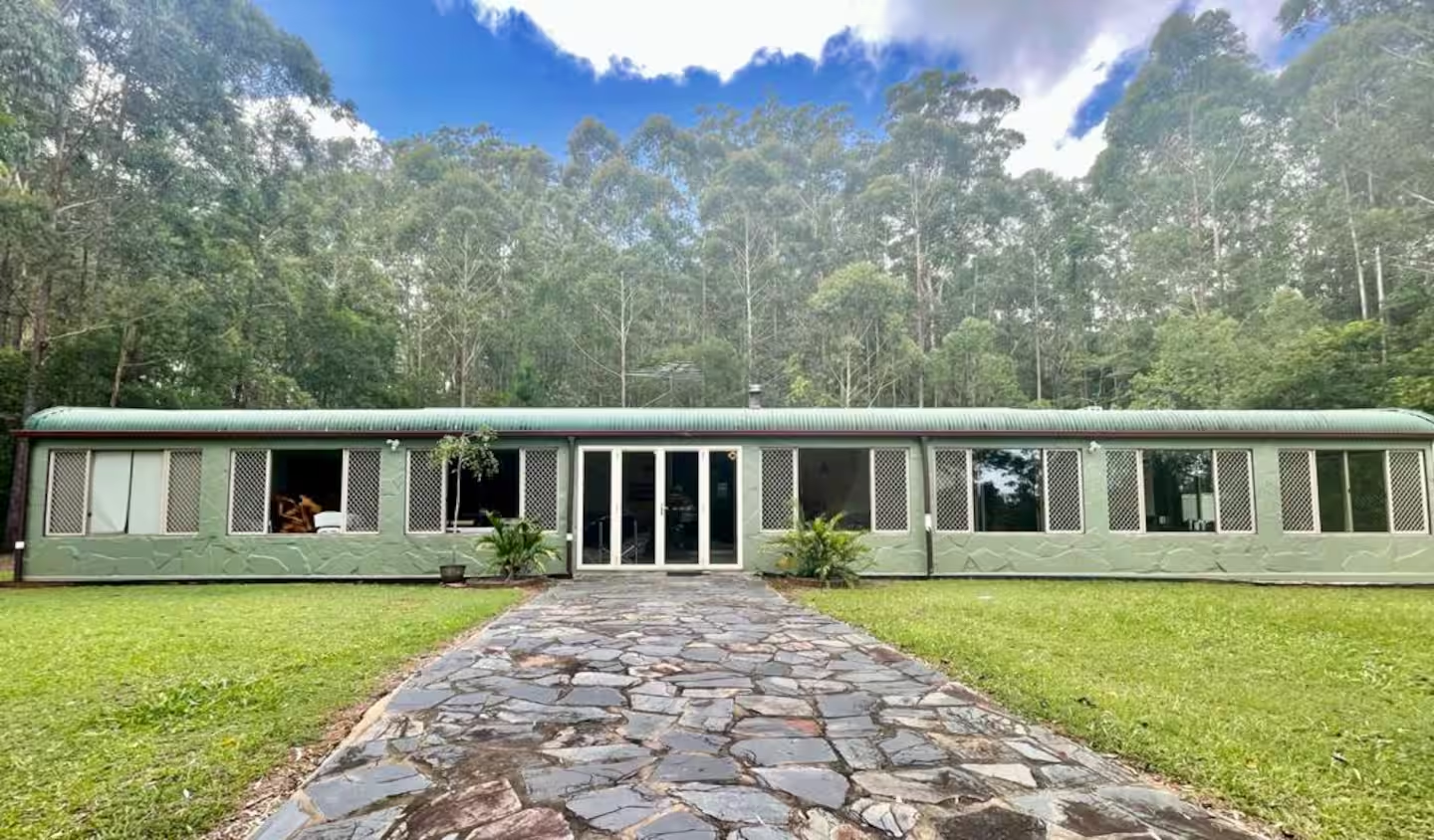
The Glass House Mountains Base House provides a comfortable, private stay for the full group. With shared bunk-style accommodations and space to gather, it’s the perfect place to unwind after a day of service and adventure, connect with your group, and enjoy relaxed evenings together.
Brisbane, Australia
You’ll enjoy a comfortable stay at YHA Brisbane City, a centrally-located property featuring a rooftop pool, free wifi and an on-site cafe.

Sydney, Australia
Enjoy stunning rooftop panoramic views of Sydney Harbour, Opera House and Harbour Bridge while staying at the YHA Sydney Harbour. Close to all the major Sydney attractions, this is the perfect place for our groups to relax after exploring Sydney.

About This Program
What It's Like
The perfect balance of meaningful service projects, cultural immersion and unforgettable adventures.
Cultural Sensitivity
This program demands an open mind, challenging you to fully immerse yourself in a vibrant new culture, explore exotic foods, and navigate exhilarating surroundings.
60 Service Hours
A letter of completion detailing the program's service hours and projects will be issued after the program.
Service Projects
Everybody participates together in each project. Specific projects are confirmed in late spring and are similar to those described.
Local Guide
A professional guide accompanies the group to assist, educate and immerse the students into the local culture.
Accommodations
Hotels, simple lodges and hostels.
Meals
Includes breakfast and dinner daily, plus 16 lunches.
Activities
Includes all recreation & activities listed.
Group Size
Up to 24 participants.
Transportation
Private coach bus, professionally-driven vans, ferries, and occasional public transportation.


More Details
Frequently Asked Questions
Who are the staff and what are their qualifications?
Our staff are educators, guidance counselors, coaches, college and university students, former camp counselors, residence life coordinators, community volunteers, world travelers, and other leaders with diverse backgrounds. Many are former participants themselves who couldn’t get enough of the Westcoast experience! Learn more about our summer leaders.
What if I need to contact my teen during the program?
Participants may bring their cell phones so parents may call and message their kids directly. You may also contact our Communication Centers which serve as the official link between programs on the road and parents. We are staffed every day during the summer and have somebody on call for after hours emergencies ready to assist you 24/7.
Who are your volunteer partners?
We work with longstanding non-profit organizations that have been carefully screened by our program coordinators. These include Boys and Girls Clubs, Reef Environmental Education Foundation, and Siempre Amigos in Costa Rica, among other organizations. For more information, see our full list of partners and projects.
2027 Programs Now Available!
Join our newsletter and be the first to hear about new programs, promotions, and more! You can unsubscribe anytime.
